
Scrolling through a group chat or an Instagram DM, you’ve probably seen someone drop a quick “wtv” and wondered what they actually meant by it. Was it a shrug? An eye-roll? Or just a fast way of saying they don’t mind either way?
WTV is one of those texting abbreviations that looks simple on the surface but carries a surprising amount of emotional weight depending on who sends it and how.
This guide breaks down the full meaning of WTV, where it came from, how it’s used across WhatsApp, Instagram, TikTok, and Snapchat, and how to tell the difference between a casual “wtv” and one that signals real frustration.
What Does WTV Mean in Text & Chat?
In texting and everyday chat, WTV is short for “whatever.” It’s used when someone wants to express indifference, agree without much enthusiasm, or quickly wrap up a back-and-forth without getting into details.
Instead of typing out a full sentence, people type “wtv” to keep the conversation moving. It’s part of a larger family of texting shortcuts built for speed. Think of it as the digital version of a shrug.
At its core, WTV usually signals one of these things:
- The sender doesn’t have a strong preference
- The sender is fine going along with whatever the other person decides
- The sender wants to move past a topic without more discussion
- The sender is mildly annoyed but doesn’t want to explain why
What Does WTV Mean on Snapchat
On Snapchat, WTV keeps the same core meaning “whatever” but the fast, disappearing nature of Snap chats makes tone even harder to read. A quick “wtv” reply to a snap can mean the sender is genuinely relaxed about the topic, or it can be a subtle way of ending a conversation they’ve lost interest in.
WTV Meaning on Instagram
On Instagram, WTV shows up most often in DMs and comment replies. In a friendly thread, it usually reads as easygoing “I’m cool with whatever you pick.” In a tense or one-sided conversation, the same word can come across as dismissive, especially if it’s the only reply to a longer message.
What Does WTV Mean in a Text From a Friend?
Between friends, WTV is almost always low-stakes. It’s commonly used when deciding on plans, like where to eat or what to watch, and simply means “you choose, I’m not fussed either way.” Among close friends, it rarely carries hidden meaning; it’s more about convenience than emotion.
What Does WTV Mean From a Girl or Guy in Text?
The gender of the sender doesn’t change the dictionary meaning of WTV, but people often read extra emotion into it depending on the relationship. A few patterns show up often in dating and romantic texting:
- Casual tone: “Wtv, your call” usually just means genuine flexibility.
- Cooling-off tone: A short “wtv” after a longer message can signal that the sender is upset but doesn’t want to explain why.
- Playful tone: In flirty conversations, “wtv 😏” can actually be teasing rather than dismissive.
Because texting strips out tone of voice and facial expression, the same three letters can be read three completely different ways. When in doubt, the safest move is to ask directly rather than assume.
Full Form, Stands For & Short Meaning of WTV
WTV = Whatever
The full form of WTV is simply “Whatever.” There’s no hidden or alternate texting definition that’s more common than this one “whatever” is the meaning nearly every slang dictionary and chat guide agrees on.
In short, simple terms, WTV can be read as:
- “I don’t care”
- “It doesn’t matter to me”
- “Do what you want”
- “I’m not going to argue about this”
Origin, History & First Known Use of WTV
WTV grew out of the same texting culture that gave us LOL, BRB, and TTYL. In the early 2000s, phones used numeric keypads where typing out full words took several button presses per letter. Abbreviating common phrases like “whatever” into “wtv” saves time and effort.
As instant messaging platforms like AIM and early SMS became popular, short forms like WTV spread quickly among teenagers and young adults.
When smartphones and social apps took over, the abbreviation carried over naturally into DMs, group chats, and comment sections and it has stuck around ever since.
Unlike some slang terms that fade out once the platform that popularized them loses relevance, WTV survived multiple shifts in texting culture from flip phones to smartphones, from SMS to app-based messaging.
That’s largely because it never depended on a specific app or trend. It solved a simple, ongoing problem: how to reply quickly when you genuinely don’t have a strong opinion.
As long as people keep texting faster than they type full sentences, abbreviations like WTV are likely to keep their place in everyday digital language.
How People Use WTV in Daily Conversations
WTV shows up constantly in casual, day-to-day messaging. Here are the most common everyday uses:
- Making quick decisions “Pizza or burgers?” “Wtv, you pick.”
- Ending small disagreements “I don’t really agree, but wtv.”
- Showing flexibility “Wtv works for me, just tell me the time.”
- Signaling mild frustration “Wtv.” (short, flat, and final)
- Keeping fast-paced chats moving is common in gaming and group threads where quick replies matter more than full sentences.
How to Reply When Someone Says WTV
Knowing how to respond to a “wtv” can be trickier than it looks, since the right reply depends on the mood of the conversation. Here are a few approaches that usually work well:
- If it feels genuinely relaxed: Match the tone with something like “Cool, I’ll decide then” or “Alright, sounds good.”
- If it feels a little cold or clipped: Gently check in “You good?” or “Everything okay?” rather than assuming the worst.
- If it’s playful or teasing: Lean into it with humor, like “Wow, such a strong opinion 😂.”
- If it’s ending an argument: Let it go for the moment rather than pushing further, since replying to “wtv” with more pressure often escalates tension instead of resolving it.
Reading the conversation that led up to the “wtv” is usually more useful than analyzing the word on its own, since three letters rarely carry enough information by themselves to explain someone’s mood.
WTV Meaning Across WhatsApp, Instagram, TikTok & Snapchat
While the core meaning of WTV stays the same everywhere, the way it lands can shift slightly depending on the platform and the pace of the conversation.
| Platform | Typical Tone | Common Use Case |
| Casual, direct | Quick replies in personal or group chats | |
| Relaxed or slightly dismissive | DMs, comment replies, captions | |
| TikTok | Playful, meme-friendly | Comments on trends or funny videos |
| Snapchat | Fast, informal | Ending or replying quickly to a snap |
WTV on WhatsApp
On WhatsApp, WTV usually appears in one-on-one or group chats where people are making plans. It’s typically read at face value as simple flexibility rather than a coded message.
WTV on Instagram
On Instagram, WTV is common in comment sections under relatable or funny posts, as well as in DMs. It often carries a laid-back, “no big deal” energy.
WTV on TikTok
On TikTok, WTV frequently appears in comments as a lighthearted reaction, sometimes paired with humor or sarcasm rather than genuine indifference.
WTV on Snapchat
On Snapchat, WTV tends to be used to close out a topic quickly, since Snap conversations move fast and messages don’t stick around.
Different Meanings of WTV in Other Fields
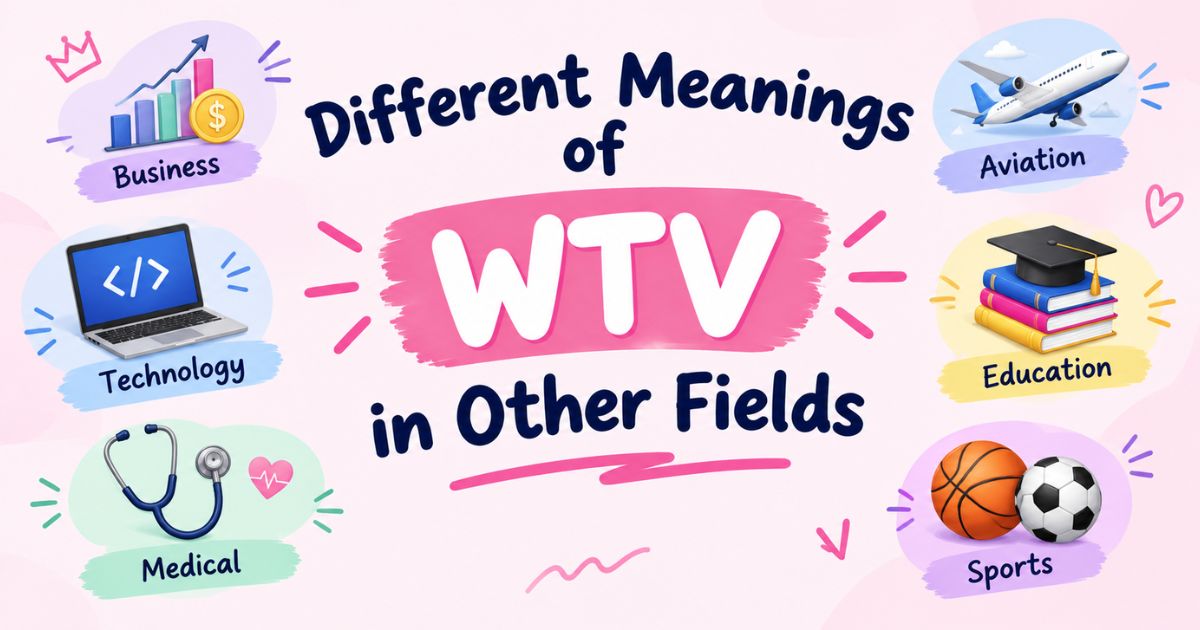
Outside of casual texting, WTV rarely has a widely recognized meaning. A few niche and uncommon uses include:
- Casual workplace chats: occasionally used the same way as in personal texting, though it’s generally seen as unprofessional.
- Gaming communities: used to keep team communication quick during matches.
- Technical or coding contexts: very rarely used informally to mean “whatever variable,” though this is not a standard or widely accepted definition.
In formal writing, official documents, or professional emails, WTV should be avoided entirely.
Common Confusions, Mistakes & Wrong Interpretations
A few misunderstandings about WTV come up again and again:
- “WTV always means someone is angry.” Not true tone and relationship context matter far more than the word itself.
- “Only teenagers use WTV.” In reality, people across age groups use it in casual digital communication.
- “It’s always rude.” WTV can be completely neutral, especially between close friends.
- “WTV has a hidden romantic meaning.” It doesn’t have a built-in romantic meaning any deeper implication comes from the surrounding conversation, not the abbreviation itself.
Similar Terms, Alternatives & Related Slang
WTV belongs to a broader group of indifference-related texting slang. Here’s how it compares:
| Term | Meaning | Typical Tone |
| WTV | Whatever | Neutral to dismissive |
| IDC | I don’t care | Slightly stronger indifference |
| IDK | I don’t know | Uncertainty, not necessarily indifference |
| NVM | Never mind | Dropping a topic |
| K | Okay | Short acknowledgment, can feel cold |
Examples of WTV in Real Chat Situations
- Making plans: “Movie night or game night?” “Wtv, both sound good.”
- Ending a small argument: “I still think you’re wrong, but wtv.”
- Reacting casually: “I might be late.” “Wtv, no rush.”
- Dating chat: “Bowling or mini-golf?” “Wtv, surprise me 😏”
- Group chat decision: “Where should we eat?” “Wtv, I’m easy.”
Is WTV Still Popular? Trends & Online Usage
WTV remains widely used heading into 2026, especially in casual DMs, comment sections, and group chats. While newer slang terms come and go quickly, WTV has stayed relevant because it fills a simple, practical need expressing indifference in the fewest possible characters.
It’s unlikely to disappear anytime soon, since the underlying behavior it describes (not wanting to overthink small decisions over text) isn’t going away either.
Search interest around terms like “wtv meaning” tends to spike whenever the abbreviation shows up in a viral video, meme, or trending comment thread, which keeps pulling new users toward slang guides to double-check its meaning.
Younger users on TikTok and Instagram often mix WTV with emojis or extra letters like “wtvvv” or “wtv 💀” to add extra emphasis or sarcasm, showing that the core word keeps evolving in small, playful ways even while its basic meaning stays the same.
This kind of stretching and remixing is common with long-running internet slang, and it’s usually a sign that a term is still very much in active use rather than fading out.
Also Read This : YK Meaning in Text
Conclusion
WTV is a short, simple abbreviation for “whatever,” but its real meaning depends heavily on tone, platform, and the relationship between the people texting. Between friends, it’s usually just a relaxed way of saying “you choose.”
In tenser conversations, the same three letters can hint at frustration or emotional distance. Understanding the context around a “wtv” is the real key to reading it correctly and now that you know its history, common uses, and platform-specific quirks, you’ll never be left second-guessing that text again.


1 thought on “What Does WTV Really Mean in Texts? (2026) ”